Behind the Book

Unauthorized Practice

Gina A. Christy brings forgotten women in medical history back into view through vivid, scene-led narrative nonfiction.

This is a history of medicine told from the margins inward: the women healers, doctors, nurses, and scientists whose work shaped modern care while their names were pushed aside.

“Where are all the women?”

On the book’s world
incisive urgent hopeful immersive restorative
Explore the story
Unauthorized Practice book cover
An archival mood for a book concerned with what history kept and what it left out.
Author conversation

With Gina A. Christy

Gina A. Christy answers our questions about Unauthorized Practice

We asked about the book’s origin, cover, writing process, atmosphere, and intended reader experience — then shaped those answers into this feature.

Origin

Why this book exists

Unauthorized Practice exists because one question kept pressing on Gina A. Christy: Where are all the women? In details shared with IndieBookStories, the author explains that after years of reading medical histories built around "a parade of great men," she could no longer ignore the gap between the record and what she knew from her own working life. As a former nurse and midwife, she had lived inside systems shaped by women whose names barely appeared. What began as curiosity became, in her words, "something closer to a mission": putting those names back where they belong.
On why this book exists

“I kept reading histories of medicine that presented it as a parade of great men.”

On why this book exists

“So I went looking for them.”

Behind the book

The human story behind it

On courage

“These women weren't forgotten by accident; they were deliberately written out.”

The human story behind this book is bound up with Christy's own professional past. She is not approaching this material from a distance. She writes as someone who practiced in a field built by women whose labour, insight, and courage often went uncredited. That gives the book a particular kind of emotional charge. Christy shares that hidden history often means deliberately suppressed history, and Unauthorized Practice grows from her refusal to let that stand. She describes the book as a "thank-you letter" to the women who built the profession she worked in, while also widening the lens to include healers, physicians, and researchers written out of the larger medical story.
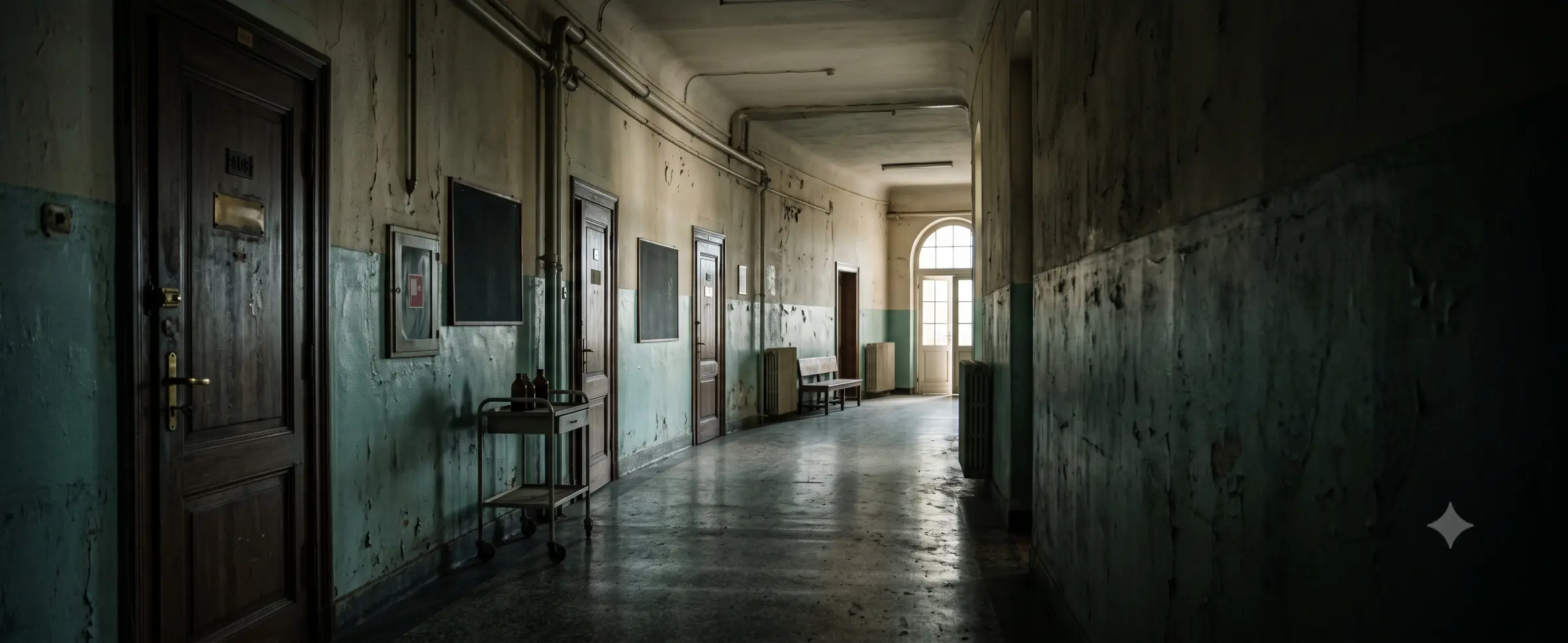
A shadowed old institutional corridor with light ahead, evoking barriers and persistence.
A visual echo of locked lecture halls and the women who kept going anyway.
On preserving the human story

“Every woman in this book found a way to use those hands anyway.”

A visual echo of locked lecture halls and the women who kept going anyway.

Reader experience

What kind of journey is this?

This is not presented as dry academic history. Christy describes the book as "scene-driven narrative history," with chapters that open inside moments of decision, danger, work, and endurance. The reading experience sounds closer to interconnected true stories than a formal survey text: battlefield medicine, rejected applications, night rides to unreachable patients, discoveries hidden behind men's names. The author moved citations to a reading list so the prose could carry more pace and emotional immediacy. Readers can expect a book that is researched but readable, structured in ten braided chapters, and guided by a steady sense of who has been left out of the official story and why that matters.
Inspired by the story world

A visual glimpse into the book’s atmosphere

The images around Unauthorized Practice draw from details Gina A. Christy shared with IndieBookStories: archive textures, the restrained authority of medical symbols, and the determined presence of women who kept healing despite closed institutions and erased records.

A historical writing desk with many letters and a woman's hand resting beside them.

The Twenty-Ninth Rejection

Christy's scene-led approach begins inside moments of refusal and resolve.

A rider on horseback traveling at night toward a distant house with a light on.

Night Ride to a Patient

The book moves through acts of care carried out despite distance, exclusion, and risk.

Close view of hands near vintage medical tools and plant specimens on a worn surface.

Healing Hands

A quiet visual answer to the cover's central idea: capable hands, constrained by someone else's rules.

Reader response

How readers may feel

Christy says she hopes readers feel two things at once: indignation at how much female brilliance was erased, and hope drawn from the ingenuity of women who kept healing anyway. That combination gives a good sense of the book's aftertaste. It may leave readers looking differently at hospitals, medical practice, and the histories attached to both. It may also bring a quieter feeling of connection, especially for readers interested in women's history: the sense of being placed back in touch with a lineage of courage, skill, and persistence that was always there, even when it went unnamed.
Reader fit

Who this book is for

This book is likely to suit readers who want more than dates and summaries from historical nonfiction. If you enjoy narrative history that moves through scenes, people, and turning points, there is a clear invitation here. It may especially appeal to readers of hidden history, women's history, medical history, and books that recover overlooked lives from official records. Christy also points to a wider audience: anyone who has ever suspected that history books are "missing half the story." Readers with a personal interest in nursing, medicine, caregiving, or the politics of who gets remembered may find this one particularly resonant.
A useful note

Who this may not be for

Readers looking for a detached academic study with full citations on every page may find Christy's approach too story-led. This also may not be the right fit for someone wanting a light or purely celebratory history of medicine; the book appears willing to dwell on exclusion, suppression, and structural injustice. Its focus is on recovery and reckoning, not neutrality for its own sake.
Unauthorized Practice book cover
Unauthorized Practice
Cover story

Behind the cover

On the cover

“Healing hands that are steady, capable, and ready to work, and restrained by someone else's rules.”

The cover carries the book's argument before the first chapter begins. Christy shares that she wanted readers to feel the central tension immediately: the white coat and stethoscope of legitimate medicine set against handcuffed hands. For her, the title is literal. Women who practiced medicine could be criminalized, barred, or branded as frauds. The restrained hands matter most. They are, as the author describes, "steady, capable, and ready to work," held back by laws and institutions rather than lack of ability. Even the weathered texture serves the story, echoing "a document recovered from an archive."
G
Author

Gina A. Christy

Profile details supplied to IndieBookStories.

Writing room

From the author’s desk

Christy wrote Unauthorized Practice in about two months, working from home in Cape Town after formally retiring. That brisk writing timeline sits on top of a much longer personal and professional foundation. In the author's own words, the book grew from years of reading against the grain and from an earlier career in nursing and midwifery. The result is a book shaped by urgency as much as research: a project written by someone who already knew, from lived experience, that the official record was incomplete and who set out to answer that absence with story.
Keep discovering

Author-led discovery from IndieBookStories

Discover more books through the stories behind them

Join the IndieBookStories reader list for thoughtful, author-led features on independent books, including the origins, moods, and human stories authors share with us.

Join the reader list
Keep exploring

More stories behind indie books

Discover other authors, inspirations and creative journeys connected by genre.