Behind the Book

Six Years of Absence

A historical novel shaped by a son’s discovery of his father’s wartime pages and the long shadow of separation.

Alain Rolland’s novel follows one French soldier through war, captivity, endurance, and return, with the emotional weight of family absence always close behind.

“The book is inspired by true events, in particular my dad's odyssey in World War II.”

On the book’s world
somber resilient human immersive reflective
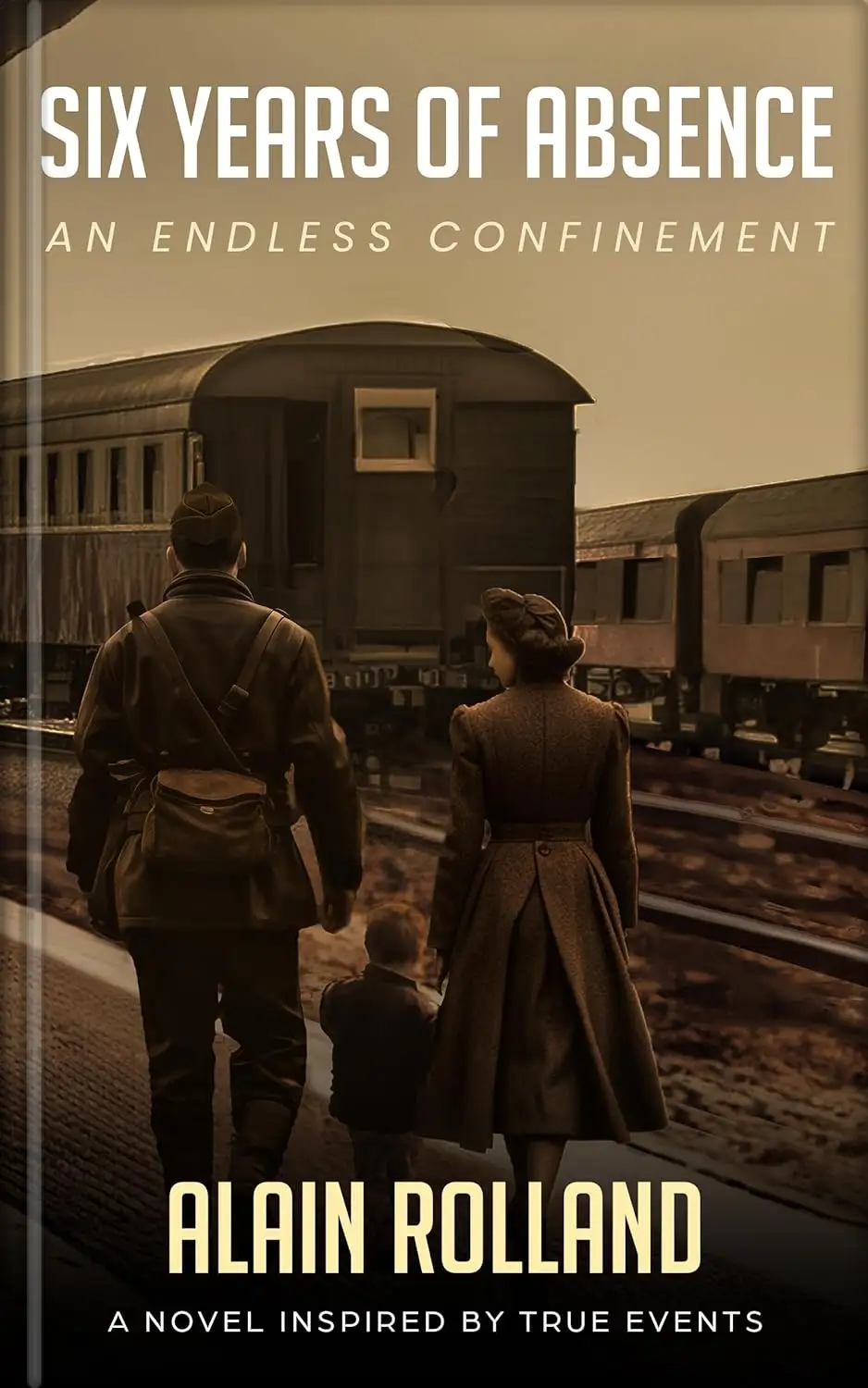
Six Years of Absence book cover
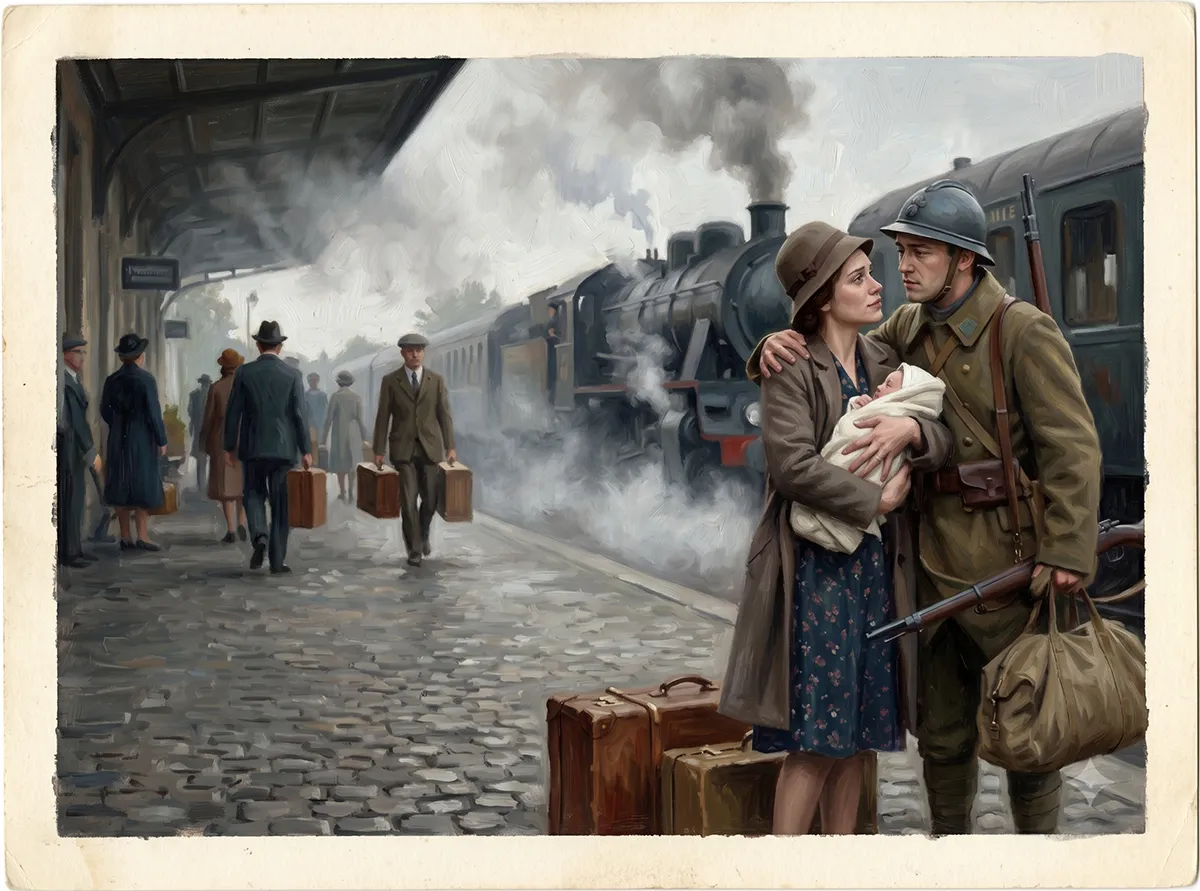
The emotional center of the story begins with departure: a wife, a newborn child, and a train bound for unknown destinations.
Author conversation

With Alain Rolland

Alain Rolland answers our questions about Six Years of Absence

We asked about the book’s origin, cover, writing process, atmosphere, and intended reader experience — then shaped those answers into this feature.

Origin

Why this book exists

Six Years of Absence begins in an act of discovery. Rolland shares that during the pandemic, while sorting through old papers, he found a few handwritten pages left by his father, who had died decades earlier. In those pages was a brief account of a World War II journey: locations, timeline, and a handful of anecdotes. From that fragment, the novel took shape. Rather than writing a direct family record, the author chose historical fiction, building Alexandre’s six-year wartime odyssey into a story of captivity, endurance, friendship, and the pull of home.
On why this book exists

“During the pandemic, I was sorting through old papers when I stumbled upon a couple of hand-written pages from my dad.”

On why this book exists

“He briefly narrated his journey through WWII, with locations, timeline, and a couple of anecdotes.”
Behind the book

The human story behind it

What gives this book its charge is the closeness of its source. Details shared with IndieBookStories point not to distant historical curiosity, but to a son encountering his father again through scraps of handwritten memory. That emotional inheritance runs through the novel’s central situation: a young husband and new father taken away by war, then forced to live through years of confinement. Rolland points to courage, resilience, friendship, and love, but also to a very intimate human cost: the ache of leaving a wife and newborn child, and the uncertainty of whether home can still be recovered after such a long absence.
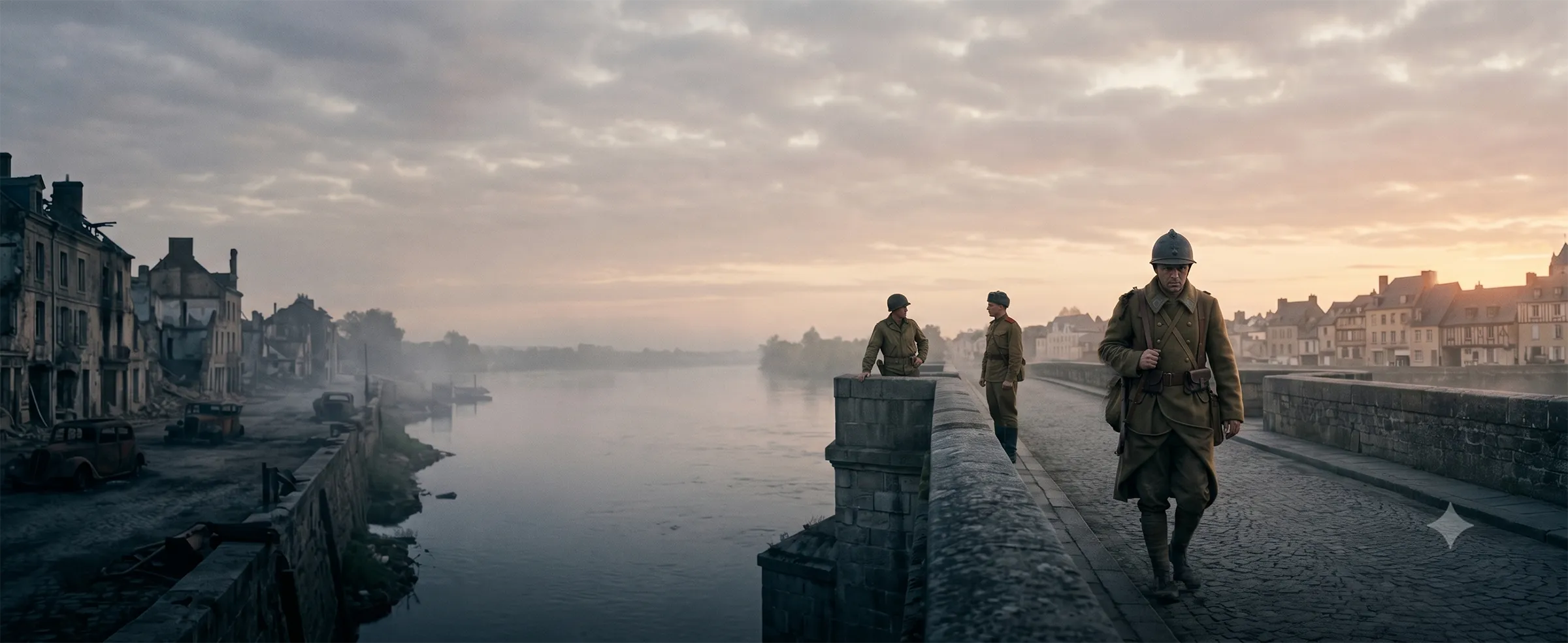
A tired French soldier crossing a bridge while American and Russian soldiers stand nearby.
One of the book’s defining images is not battle, but the fragile moment of crossing back toward freedom.
On preserving the human story

“A French soldier crossing a bridge back to freedom guarded by an American and a Russian soldier.”

One of the book’s defining images is not battle, but the fragile moment of crossing back toward freedom.

Reader experience

What kind of journey is this?

This is a historical novel that seems less interested in military spectacle than in lived experience. The author describes a French soldier’s route through Flanders, Dunkirk, prison camps, forced labor, liberation, and the hard journey back. The reading experience appears to move between harsh wartime reality and the stubborn humanity that survives inside it. Rolland’s shared description emphasizes brutality, heartbreak, and dramatic turns, but also mentions comical adventures and endearing characters, suggesting a story with emotional variation rather than a single register of suffering. Readers can expect a steady, eventful narrative carried by separation, survival, and the question of return.
Inspired by the story world

A visual glimpse into the book’s atmosphere

The images around Six Years of Absence draw from details Alain Rolland shared with IndieBookStories: a wartime departure at a train station, prison-camp confinement, damaged bridges, and the long road back to freedom. Together they echo the book’s atmosphere of separation, endurance, and return.

A wartime family farewell on a French train platform.

The station farewell

Rolland describes the cover through separation first: family held in one moment before history takes over.

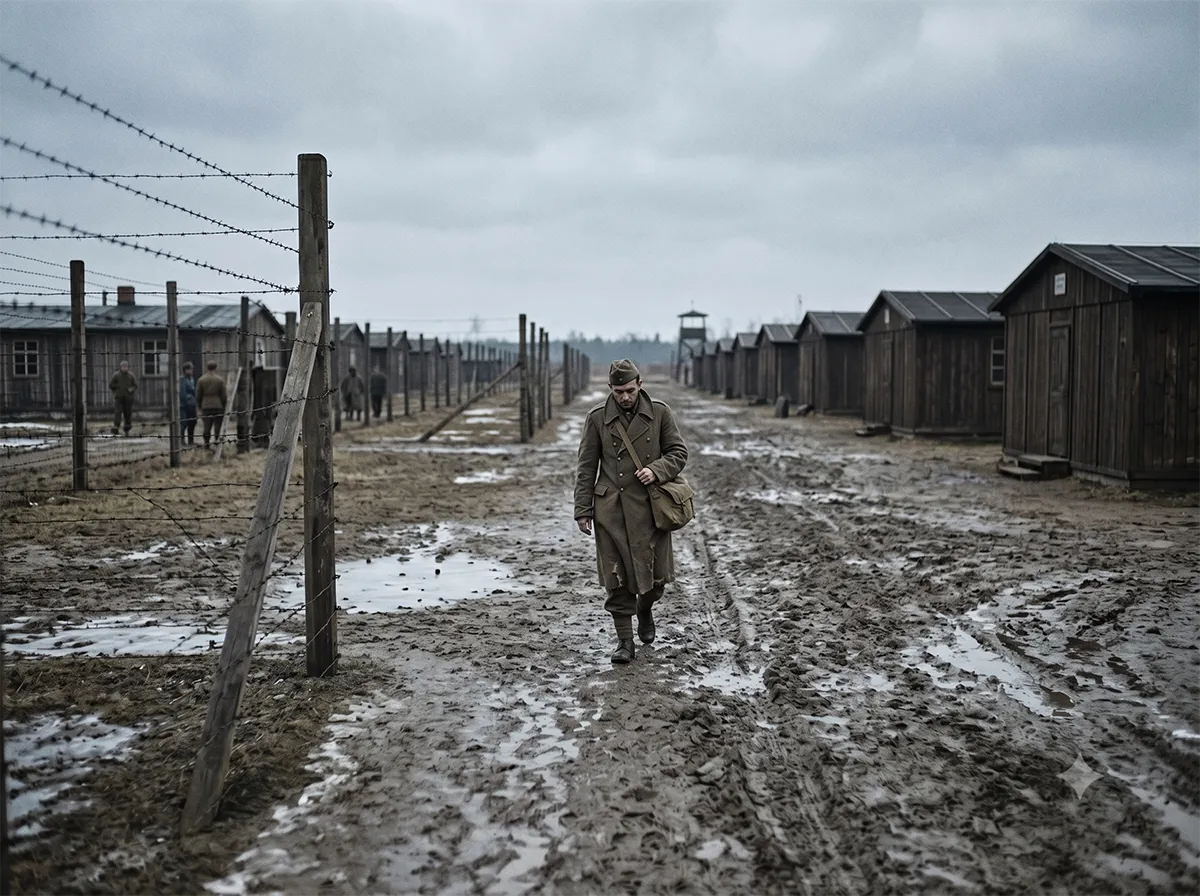
A prisoner camp landscape with a lone French captive walking between barracks.

Years of confinement

The novel’s middle ground is long confinement, where survival depends on endurance and the people encountered along the way.

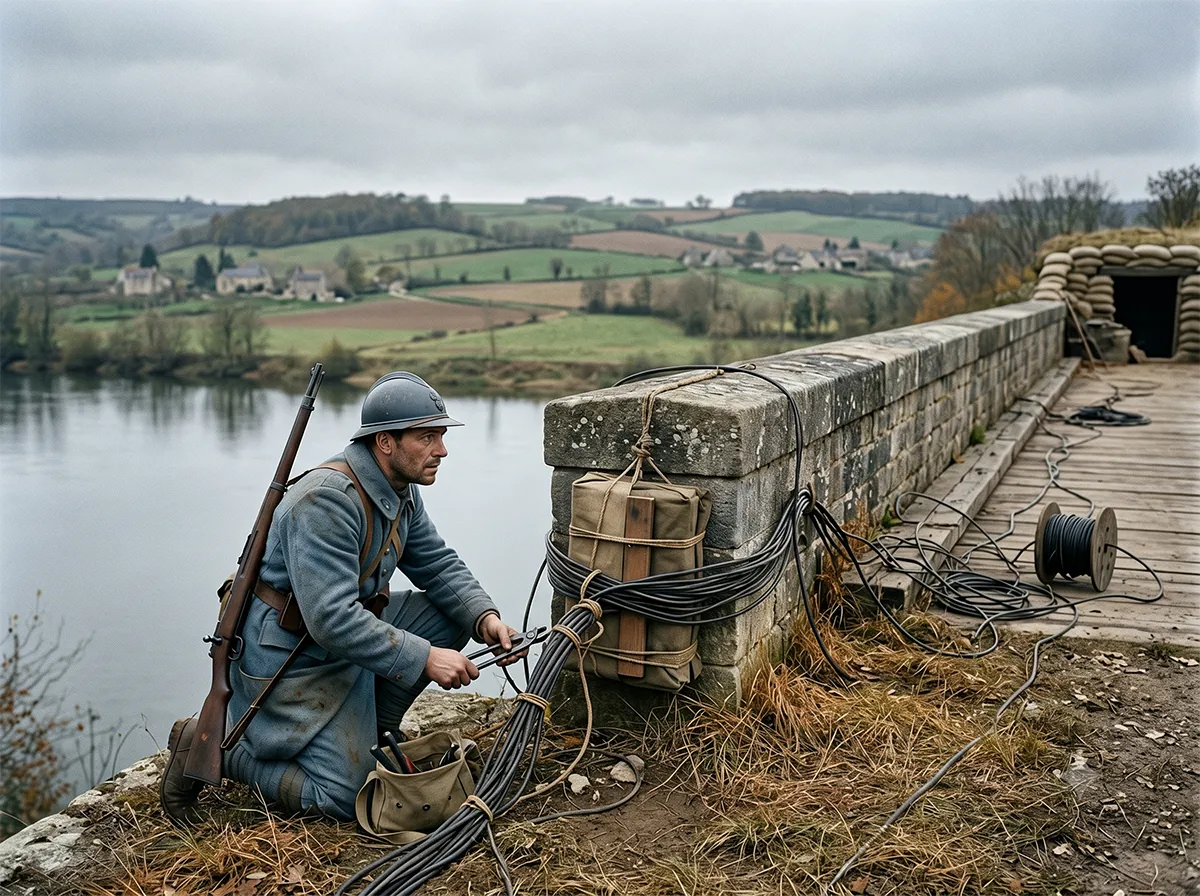
A French soldier near a bridge in a tense wartime engineering scene.

A bridge under threat

Even the war’s technical tasks carry human tension here: work done under pressure, with lives and futures hanging behind it.

Reader response

How readers may feel

On how readers may feel

“More importantly, the condition and mindset of a young father enrolled in a terrible war.”

Readers drawn to wartime stories may find this novel quietly affecting because its scale is both historical and domestic. The wider conflict is present, but so is the mindset of a young father pulled into it. Rolland shares that he hopes the story offers a different perspective on World War II, especially through the sacrifices made for freedom. That may leave some readers reflective about endurance, family bonds, and the ordinary lives interrupted by history. Others may be especially moved by the long emotional distance between departure and homecoming.
Reader fit

Who this book is for

This book may suit readers who enjoy historical fiction grounded in personal memory, especially stories of World War II told from an individual, human perspective rather than a strategic one. It is likely to appeal to those interested in prison-camp narratives, wartime separation, family legacy, and journeys of survival across Europe. Readers who appreciate novels where hardship is balanced by companionship, small absurdities, and emotional return may find a place for this one in their reading life. It may also speak to anyone drawn to fiction shaped by what families carry forward across generations.
A useful note

Who this may not be for

Readers looking for a fast, escapist war adventure may not find that here. Although the story is eventful, its center seems to be confinement, separation, and the interior cost of war. Those who prefer lighter historical fiction, or who do not want to spend time with prison camps, forced displacement, and prolonged uncertainty, may want a different reading experience.
Six Years of Absence book cover
Six Years of Absence
Cover story

Behind the cover

On the cover

“The cover is emotionally charged with the painful separation of a man from his wife and newborn son.”

The cover stays close to the emotional core of the novel. Rolland describes it as centered on the painful separation of a man from his wife and newborn son, while a train waits to carry him toward unknown destinations. That image does more than set the period. It frames the whole story through departure: family on one side, history on the other, and a journey beginning before anyone can know how long the absence will last.
A
Author

Alain Rolland

Profile details supplied to IndieBookStories.

Writing room

From the author’s desk

Rolland shares that the book took a year and a half to write, and that its writing life began in pandemic confinement. At home, after discovering those handwritten pages from his father about his World War II journey, he felt compelled to turn that material into historical fiction. That context matters. There is something fitting about a novel of wartime confinement and delayed return being written during another period of isolation, with memory, family papers, and unanswered distance all close at hand.
Keep discovering

Author-led discovery from IndieBookStories

Discover indie books through the stories behind them

IndieBookStories shares books through the context authors offer us: where a story began, what shaped it, and what kind of reading experience it may hold. Join the reader list for thoughtful discoveries beyond the usual listings.