Behind the Book

Top Fin

George Cavallo shares the human story behind a Coast Guard rescue book shaped by memory, risk, humor, and brotherhood.

This is a biography-driven rescue story built not only on acts of courage, but on the people, failures, laughter, and endurance that made those moments real.

tense reflective gritty emotional sea-soaked
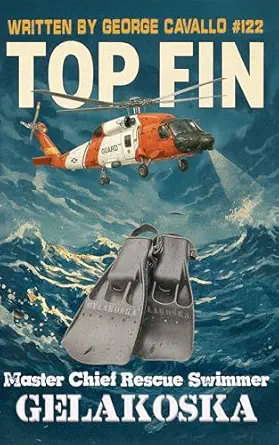
Top Fin book cover
A first glimpse of the book's central image: one person suspended between storm, sea, and decision.
Author conversation

With George Cavallo

George Cavallo answers our questions about Top Fin

We asked about the book’s origin, cover, writing process, atmosphere, and intended reader experience — then shaped those answers into this feature.

Origin

Why this book exists

Top Fin exists because George Cavallo wanted to preserve more than dramatic missions. In details shared with IndieBookStories, the author describes a need to hold onto "the humor, the failures, and the human side of the job that rarely gets told." At the center of the book is Master Chief Darell Gelakoska, whose leadership helped shape the rescue swimmer program itself. Cavallo is not only documenting a career here; he is honoring a legacy and making a case for a particular kind of courage — not fearlessness, but the decision to keep going when the moment demands it.
On why this book exists

“I wrote these books to preserve those stories — not just the heroics, but the humor, the failures, and the human side of the job that rarely gets told.”

On why this book exists

“Top Fin was especially inspired by Master Chief Darell Gelakoska, whose leadership and grit helped shape the entire rescue swimmer program.”
Behind the book

The human story behind it

On courage

“These books are my way of honoring that legacy — and showing that real courage isn’t about fearlessness, but about never quitting when it matters most.”

What gives Top Fin its pull is the author's closeness to the world he is writing about. Cavallo shares that the book grew from real missions, memories, and the voices of those who lived them. That makes this feel less like distant military history and more like an act of witness. The people behind the rescues matter as much as the rescues themselves: pilots, flight mechs, rescue swimmers, and the crews who kept answering the call. For readers, that means the book is rooted in lived experience and in a desire to make the spirit of that work legible to those who were there and those who never will be.
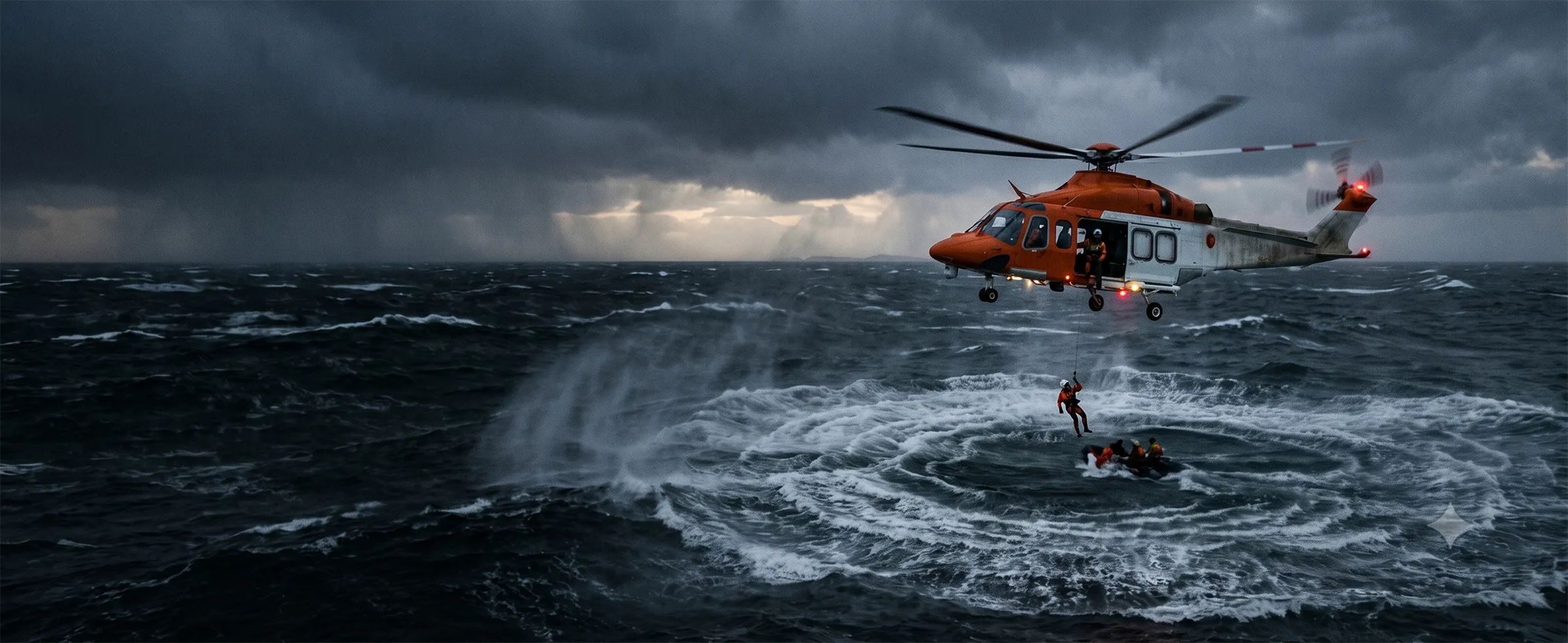
A rescue helicopter hovers over rough dark water as rotor wash disturbs the spray.
The world of Top Fin lives in pressure, weather, noise, and the brief stillness inside them.
On preserving the human story

“Alone in the storm, with nothing but a cable, a heartbeat, and the will to save a life.”

The world of Top Fin lives in pressure, weather, noise, and the brief stillness inside them.

Reader experience

What kind of journey is this?

On the story’s pace and mood

“I write the way rescue felt — fast, chaotic, and alive — using vivid detail to pull readers into the rotor wash and the silence that follows.”

Cavallo describes his style as "cinematic realism with grit, humor, and heart," and that gives a strong sense of what kind of reading Top Fin offers. Expect motion, danger, noise, and weather — but also pauses for reflection after the impact of action. The author writes rescue as it felt to him: "fast, chaotic, and alive," with vivid detail that brings readers close to rotor wash, open water, and the silence that follows. This is not a polished legend of flawless heroics. It is a book interested in perseverance, cost, and the odd, necessary humor that lives alongside risk.
Inspired by the story world

A visual glimpse into the book’s atmosphere

The images around Top Fin draw from details George Cavallo shared with IndieBookStories: the suspended rescue swimmer between sea and sky, rotor wash over dark water, storm light, worn gear, and the quiet human traces that sit behind acts of courage.

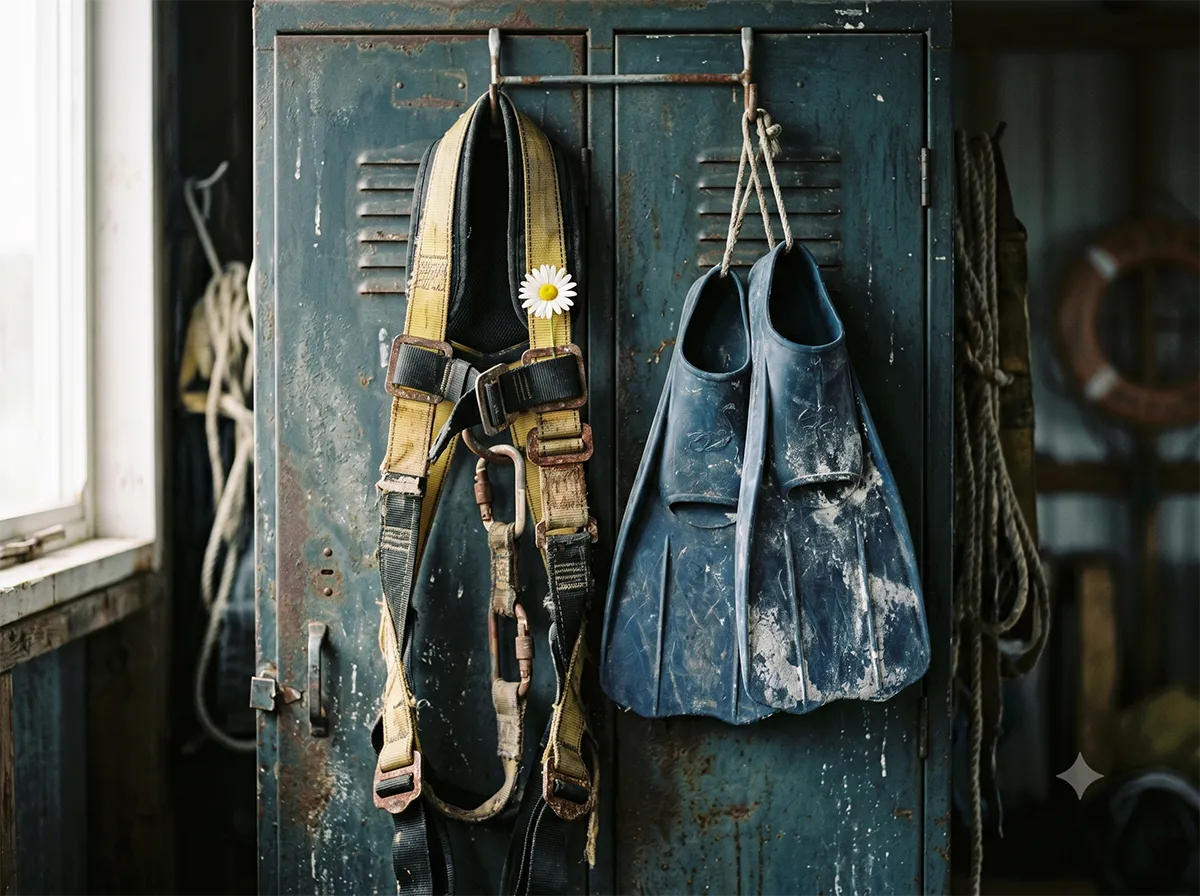
Worn swim fins and a rescue harness hang on a rusty locker door with a daisy tucked into the strap.

Gear After the Mission

A small still life of service: hard-used gear, a personal gesture, and the humanity Cavallo wanted to preserve.

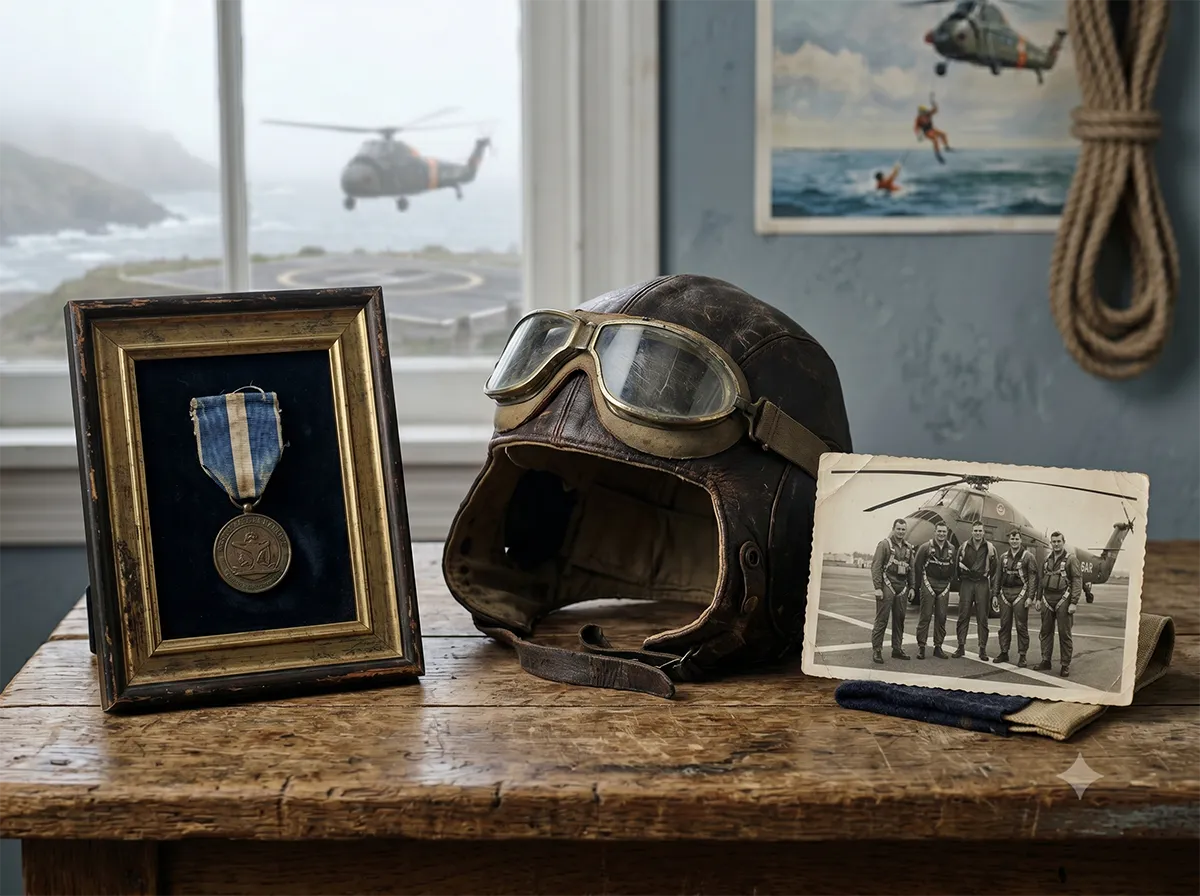
A framed medal, old flight helmet, and faded crew photo arranged on a table.

Medal, Helmet, Memory

Recognition matters here, but memory matters more: the objects left behind by a working life in rescue.

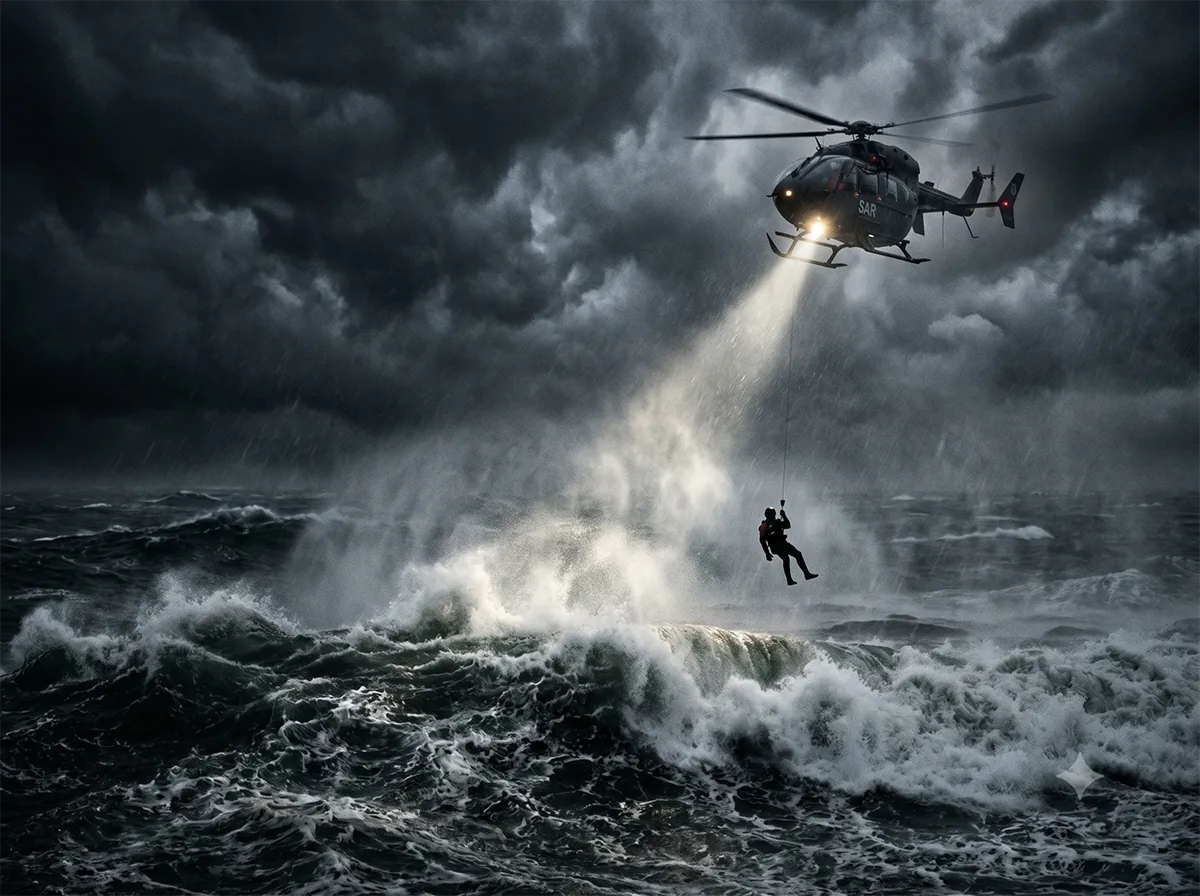
A rescue swimmer descends through storm clouds toward rough water illuminated by a helicopter light.

Stormlight Descent

This is the solitude the author returns to: one person in the storm, held by training, instinct, and will.

Reader response

How readers may feel

On how readers may feel

“They’ll feel the adrenaline of the rescues, the sting of loss, and the quiet pride that comes from perseverance.”

Readers drawn into Top Fin may find themselves moving between adrenaline and stillness. The author shares that he hopes people feel "the adrenaline of the rescues, the sting of loss, and the quiet pride that comes from perseverance." Just as important is connection: to the brotherhood of the crews, to the sea, and to the instinct that sends people back into danger for others. For some, the book may feel immersive and intense; for others, it may open a quieter respect for the unglamorous endurance behind acts of rescue.
Reader fit

Who this book is for

Top Fin is likely to suit readers who want more than operational drama. If you are interested in rescue work, Coast Guard history, service biographies, aviation under pressure, or stories where camaraderie matters as much as action, this book has a clear place. It may also appeal to readers who like true-life accounts with a strong sensory atmosphere and an honest emotional register. Cavallo points to courage, chaos, humor, and humanity as the heart of the book, so it is especially well matched to readers who want lived experience rather than distant hero worship.
A useful note

Who this may not be for

This may not be the right fit for readers looking for a light, purely uplifting sea adventure or a neatly detached military chronicle. Top Fin appears more interested in grit, loss, pressure, and the imperfect reality behind rescue work. If you prefer fiction-like pacing without reflection, or want heroics without the human cost, this book may feel heavier and more grounded than you are after.
Top Fin book cover
Top Fin
Cover story

Behind the cover

On the cover

“That moment suspended between sea and sky when everything depends on one person and one decision.”

The cover draws directly from the image Cavallo wanted readers to hold before opening the book: a rescue swimmer suspended "between sea and sky" in a moment when everything depends on one person and one decision. The author describes the design as balancing "the storm below, the rotor wash above, and the quiet courage in between." That tension between chaos and calm mirrors the book itself. It is not only a visual of danger, but a portrait of solitude, responsibility, and the brotherhood formed in salt water and rotor blades.
G
Author

George Cavallo

Profile details supplied to IndieBookStories.

Writing room

From the author’s desk

Top Fin took about a year to write, though Cavallo describes it as "decades in the making." That sense of long accumulation matters here: the book was built from memory, lived missions, and the voices of fellow crew members. In the author's own words, the aim was to honor the people he served with and preserve "the spirit, humor, and humanity behind them." The result is a book shaped not by distance, but by loyalty — written by someone trying to make a demanding world understandable without sanding away its danger or its heart.
Keep discovering

Author-led discovery from IndieBookStories

Discover more books through the stories behind them

IndieBookStories shares author-led context like this to help readers discover independent books with a real human story behind them. Join the reader list for thoughtful features, overlooked finds, and new books introduced through what their authors share with us.