Behind the Book

The Sundering

Razi Garenbeli reimagines Eden as a place of decline, curiosity, and resistance in this dark, cozy fantasy.

For readers drawn to mythic fantasy with flawed angels, stubborn heroines, and a quiet thread of hope, The Sundering offers an origin story shaped by questions about Eden, power, and human defiance.

mythic dark-cozy lyrical hopeful mysterious
Explore the story
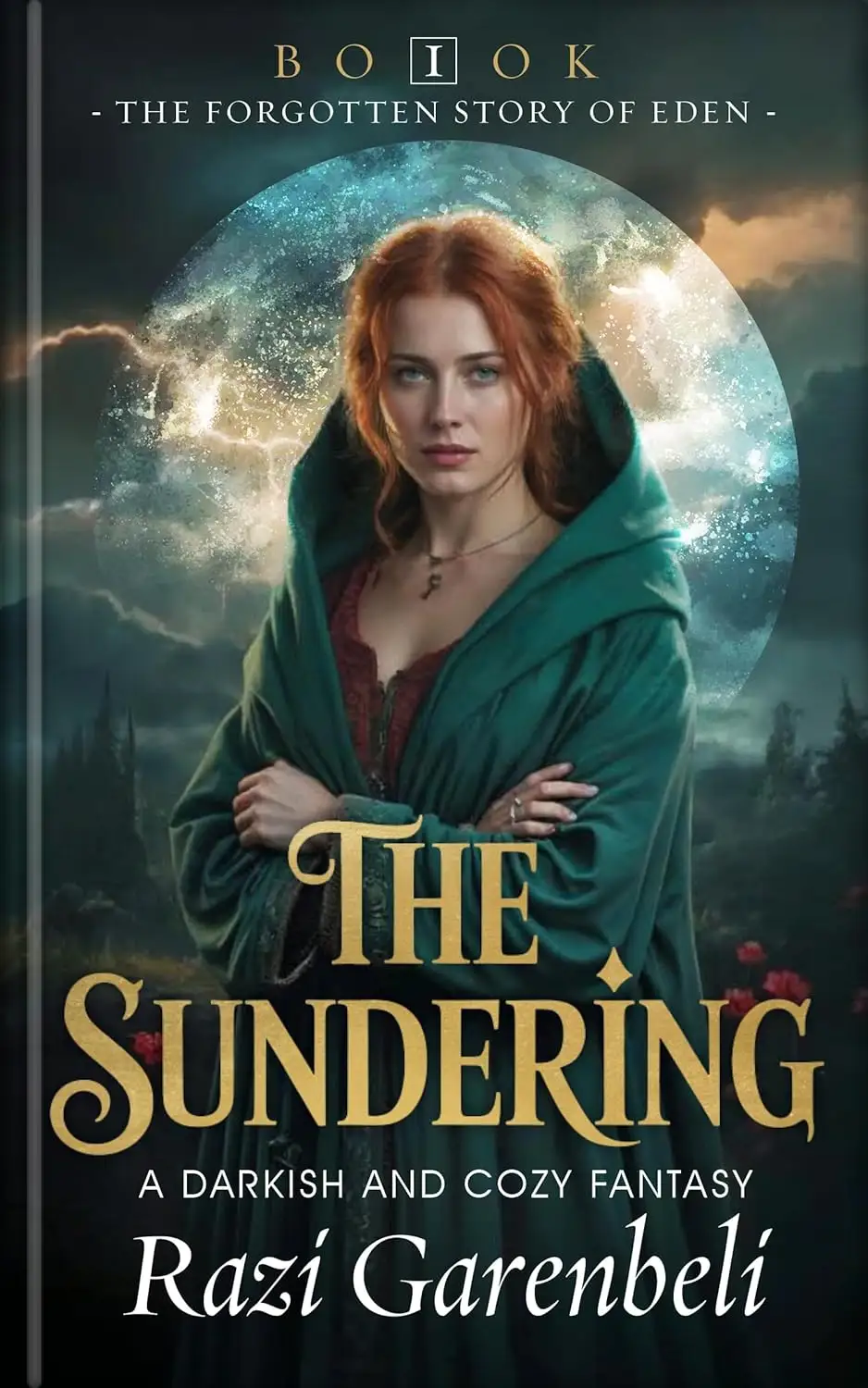
The Sundering book cover
A first glimpse of Eden as Garenbeli imagines it: beautiful, abundant, and not quite at peace.
Author conversation

With Razi Garenbeli

Razi Garenbeli answers our questions about The Sundering

We asked about the book’s origin, cover, writing process, atmosphere, and intended reader experience — then shaped those answers into this feature.

Origin

Why this book exists

The Sundering begins with a question that stayed with Razi Garenbeli: what really happened after humans left Eden? Details shared with IndieBookStories show that the book grew out of her frustration with the familiar lesson attached to Adam and Eve. As the author describes it, humans were always going to be curious, explore, and test the rule they were given. From there, she pushed further, imagining Eden not as a finished paradise but as a place where ease has consequences. In her version, angels have power, beauty, and long lives, yet something in that perfect order has begun to weaken. The book exists in that tension between comfort and stagnation, obedience and curiosity.
On why this book exists

“I was always curious and annoyed with the story of how Adam and Eve lost their place in Eden.”

On why this book exists

“Humans are curious, and of course, they were going to disobey, explore, satisfy their curiosity—it’s how they learn.”

Behind the book

The human story behind it

What makes this story feel personal is the way Garenbeli keeps returning to human nature. She points to curiosity not as a flaw but as part of how people learn, survive, and become themselves. That belief shapes the heart of The Sundering, where ancient powers underestimate what humans can endure and choose for themselves. Her wider body of work also sharpens that perspective: she writes of angels who are not flawless but meddling, powerful, and sometimes dangerous. For readers, that means the book is not simply interested in mythic worldbuilding. It is interested in agency, resistance, family, and what happens when someone others want to use decides she has other ideas.
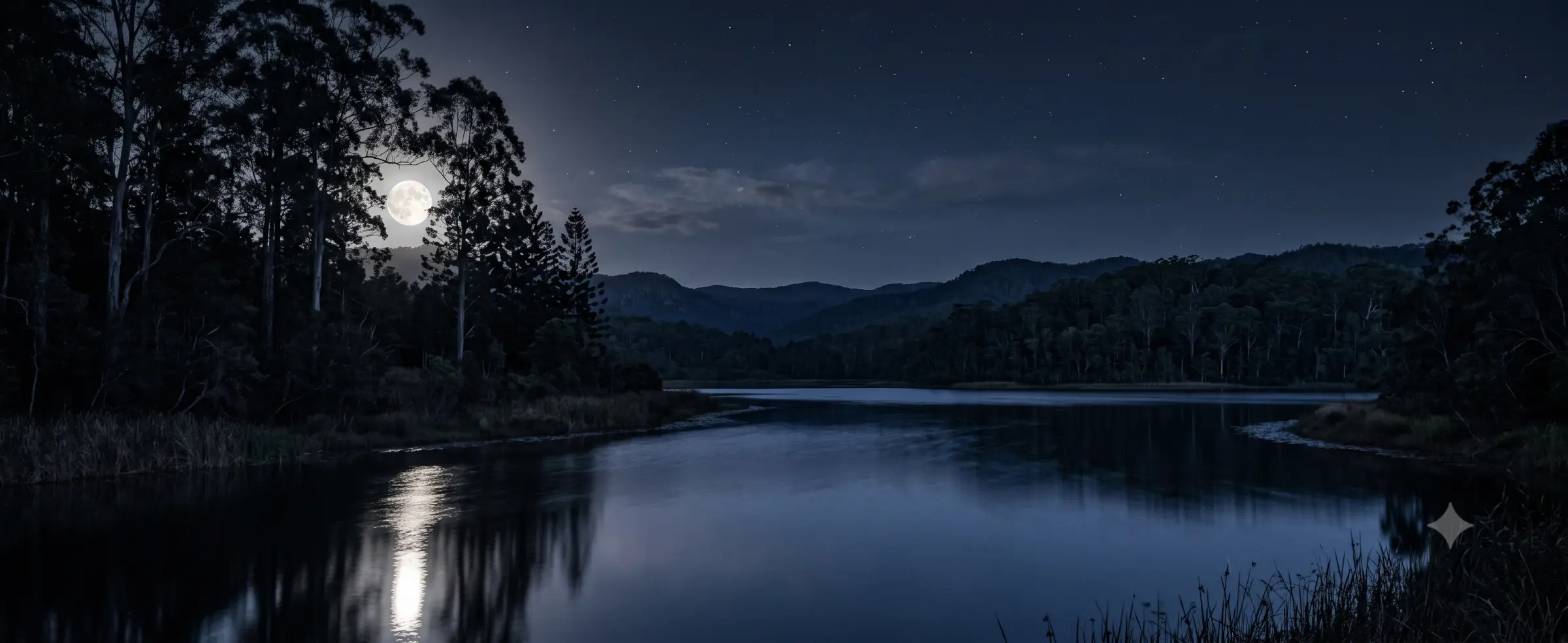
Moonlight filtering through trees and reflecting on still water in a quiet hinterland landscape.
The quiet outdoor atmosphere the author describes also helps shape the book's reflective edge.
On preserving the human story

“A wonderland of flowering valleys and forested mountain ranges.”

The quiet outdoor atmosphere the author describes also helps shape the book's reflective edge.

Reader experience

What kind of journey is this?

On the story’s pace and mood

“A lyrical, character-driven narrative that blends emotional depth, quiet humor, mystery, and importantly hope.”

The reading experience here is likely to feel both expansive and intimate. Garenbeli describes the book as lyrical and character-driven, blending emotional depth, quiet humor, mystery, and hope. The world around the characters carries a sense of wonder—mist through trees, moonlight on water, flowering valleys, strange creatures in mountain crevices—but the story keeps its focus on choices and consequences. This is fantasy that moves through atmosphere as much as action, with a stubborn female protagonist at its center and a version of Eden that is more troubled than serene. Readers can expect a myth-shaped story with emotional stakes, a steady undercurrent of tension, and moments of beauty that soften the darkness rather than erase it.
Inspired by the story world

A visual glimpse into the book’s atmosphere

The images around The Sundering draw from details Razi Garenbeli shared with IndieBookStories: morning mist in the Queensland hinterland, moonlight through trees, flowering valleys, forested mountain ranges, waterfalls, and the strange, lively creatures of Eden.

Small gryphon-like creatures nesting on a rocky mountain above a misty flowering valley.

Griffalings in the Valley

One of the liveliest details shared with IndieBookStories: griffalings nesting above a valley of waterfalls and mist.

Large eagle-like birds circling over misty cliffs and flowering slopes in a fantasy landscape.

The Watchers of Eden

The natural world of this series carries wonder, but also a sense that everything is being watched.

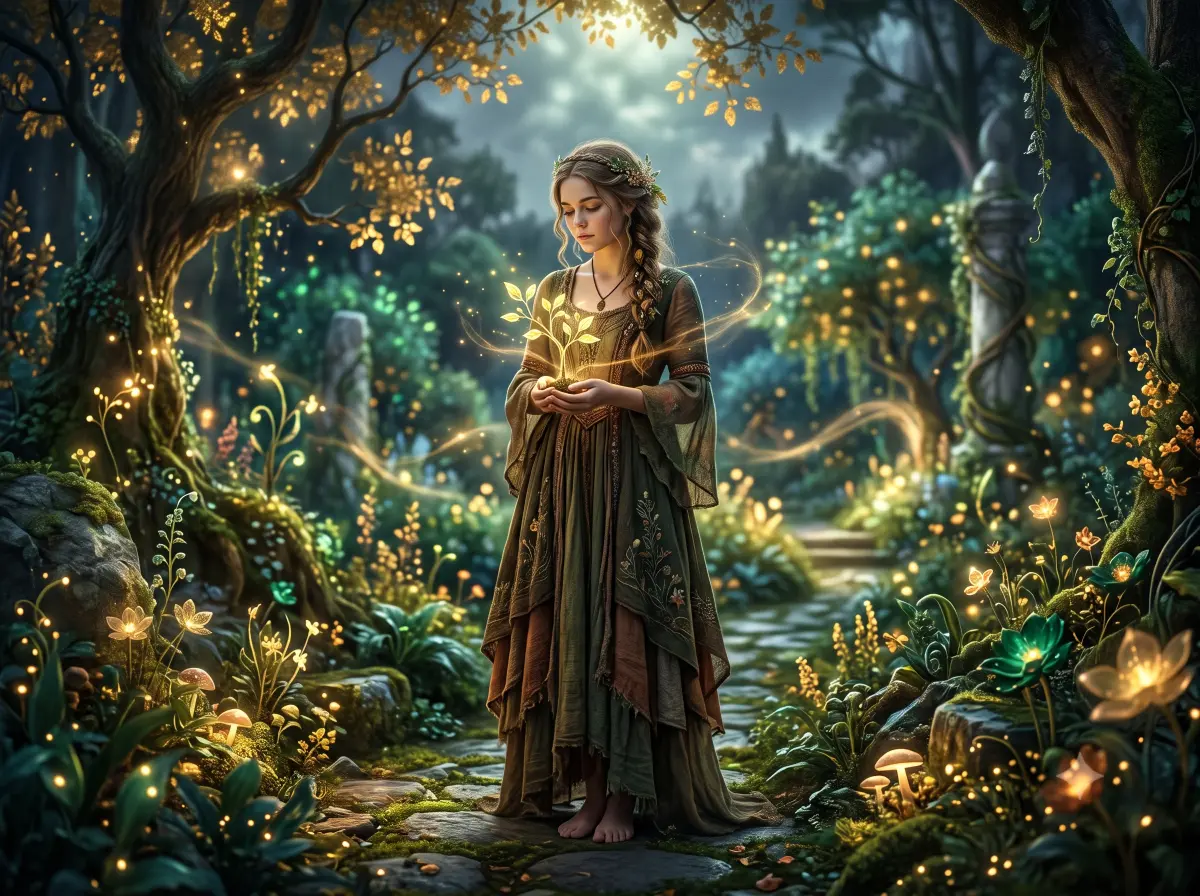
A young woman in a mythic garden setting, standing in quiet strength amid gold and shadow.

Strength Not Yet Named

A visual echo of the cover idea: strength that exists before it is fully recognised.

Reader response

How readers may feel

Readers who connect with The Sundering may come away feeling they have had both an adventure and something more reflective. In the author's own words, she hopes it feels emotionally rewarding as well as exciting. The questions left behind seem just as important as the answers: courage, forgiveness, family, the choices that shape us, and perhaps a fresh curiosity about angels and Eden. Rather than offering pure comfort or pure darkness, the book appears to sit in a thoughtful middle space where danger, wonder, and hope can exist together.
Reader fit

Who this book is for

This book may suit readers who enjoy fantasy rooted in myth and big speculative questions, but who still want a strong emotional thread. If you like stories about hidden bloodlines, flawed celestial beings, stubborn heroines, and worlds where beauty and danger live side by side, The Sundering has clear appeal. It is also a good fit for readers who want more than plot mechanics from fantasy: atmosphere, family tensions, moral complication, and a sense that the world has been built from a genuine question the author cared about. Readers open to a lyrical style and a slower, character-led immersion may find a good home here.
A useful note

Who this may not be for

Readers looking for fast, battle-heavy fantasy from the first page may find this more reflective than they want. The Sundering seems more interested in atmosphere, character, mythic tension, and emotional consequence than relentless action. It may also be a less natural fit for those who prefer angels to remain purely noble, orderly figures rather than flawed, meddling beings entangled with human lives.
The Sundering book cover
The Sundering
Cover story

Behind the cover

On the cover

“It needed to be the strong female protagonist... even though she hadn't realised her strength yet.”

The cover idea begins with growth. Garenbeli shared with IndieBookStories that she wanted a visual device to show development, and that it had to be the book's female protagonist at the center of it—even before the character fully understood her own strength. That makes the cover less about decoration than direction. It quietly prepares the reader for a story about becoming, where power is not simply possessed from the start but recognised, resisted, and grown into over time.
Razi Garenbeli
Author

Razi Garenbeli

Profile details supplied to IndieBookStories.

Writing room

From the author’s desk

Garenbeli wrote The Sundering over roughly two years, while also drafting the books that follow so the larger story would hold together logically. That long view says a lot about the reading experience: this is an opening built with the wider series in mind. The author also describes writing from her acreage property in Queensland's Sunshine Coast hinterland, drawing on morning mist, moonlight through trees, reflections in the dam, and the behaviour of local birds and animals. Those details help explain why the book's world feels shaped not only by myth, but by close observation.
Keep discovering

Author-led discovery from IndieBookStories

Discover indie books through the stories behind them

Join the IndieBookStories reader list for thoughtful, author-led features that help you discover independent books through the details authors share with us about origin, mood, process, and story world.

Join the reader list