Behind the Book

Still Climbing

Olivia Cross on aging, curiosity, and the question that turned an ordinary walk into a life-facing book.

This is a reflective nonfiction read for people wondering what comes next, and whether growing older might still hold room for adventure, learning, and renewed purpose.

“Noni, do you wish you could still climb trees?”

On the book’s world
uplifting reflective encouraging grounded hopeful
Explore the story
Still Climbing book cover
Cross traces the book's beginning to a walk with her granddaughter and dogs, when one simple question stayed with her long after the walk ended.
Author conversation

With Olivia Cross

Olivia Cross answers our questions about Still Climbing

We asked about the book’s origin, cover, writing process, atmosphere, and intended reader experience — then shaped those answers into this feature.

Origin

Why this book exists

Still Climbing exists because of one small family moment that stayed with the author. As details shared with IndieBookStories make clear, the book began not with a publishing plan but with a child's question asked on a walk: could she still climb trees? That innocent prompt opened into something larger. Cross describes being stopped in her tracks, then asking herself, "Well, why not? And what else can I do?" From there, the book became a way to challenge the idea that age narrows life. Its purpose is plain: to reframe later life as a time that can still hold curiosity, movement, and possibility.
On why this book exists

“I never intended to write this book until my granddaughter, Ruby, caught me off guard with one simple question.”

On why this book exists

“I was stopped in my tracks.”

Behind the book

The human story behind it

On courage

“While we may stop climbing trees, we never stop climbing through life.”

The human story here is not dramatic in the usual sense. It is domestic, recognisable, and quietly persuasive. Olivia Cross, the pen name of New Zealand author Jenny Crossan, writes as a mother, grandmother, lifelong learner, and someone attentive to the ordinary moments that reveal bigger truths. Cross points to dogs, gardens, family conversations, and daily reflection as the real ground from which this book grew. That matters because Still Climbing is not arguing from distance. It comes from lived observation: seeing friends take up new hobbies, grandparents learn technology, and retirees discover fresh passions. The book's outlook is rooted in life as it is actually being lived.
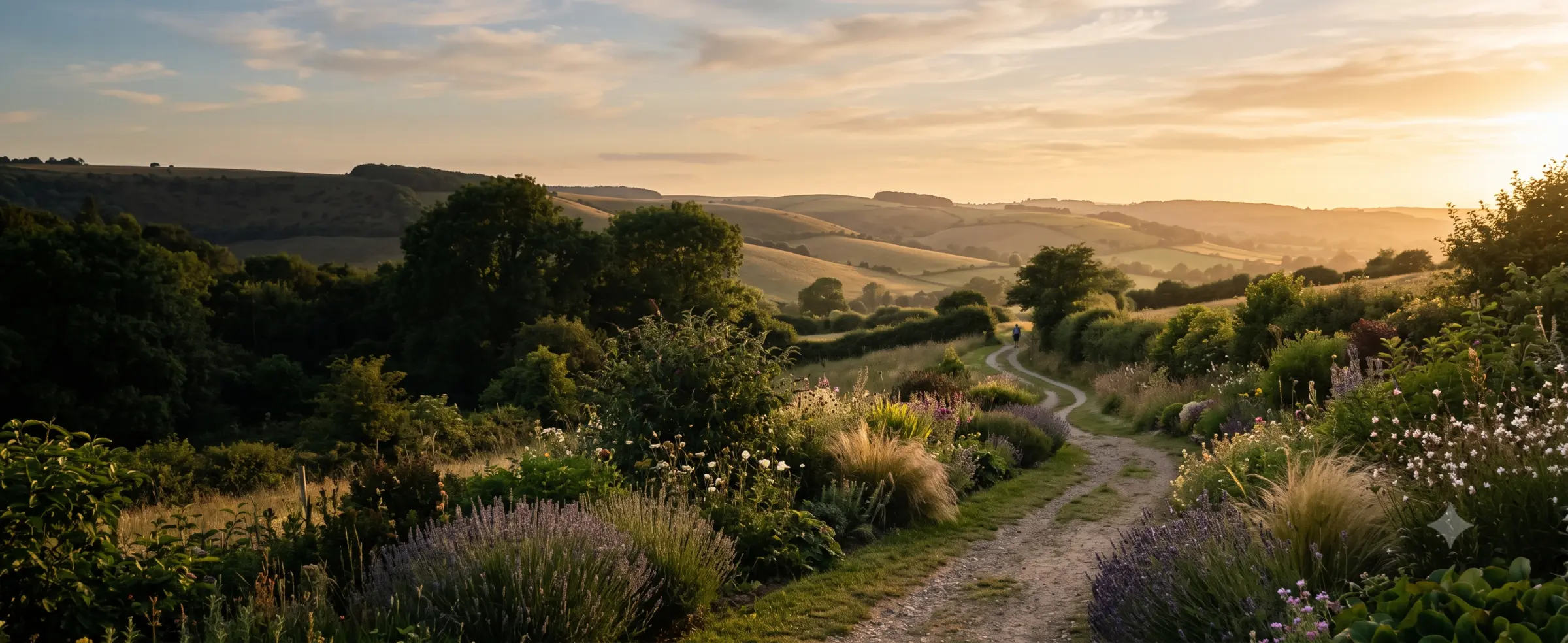
Rolling hills and a gentle upward path near garden greenery in warm evening light.
The author describes the climb in Still Climbing as personal rather than literal: less about peaks, more about the ongoing shape of a life.
On preserving the human story

“Life doesn't have an expiry date on curiosity.”

The author describes the climb in Still Climbing as personal rather than literal: less about peaks, more about the ongoing shape of a life.

Reader experience

What kind of journey is this?

Readers can expect a calm, companionable nonfiction experience shaped by personal reflection, practical insight, gentle humour, and thought-provoking questions. The author describes each chapter as exploring another part of the climb through life, not in a dramatic self-help register but in a grounded, conversational one. The mood seems more encouraging than urgent, more inviting than instructive. Rather than pushing a single formula for aging well, Still Climbing asks readers to examine old assumptions and imagine what possibility might still look like in their own lives. It is a book of steady momentum: less about reinvention for its own sake, more about staying open to growth, purpose, and discovery.
Inspired by the story world

A visual glimpse into the book’s atmosphere

The images around Still Climbing draw from details Olivia Cross shared with IndieBookStories: long walks, gardens, quiet reflection, and the idea of a metaphorical climb rooted in ordinary life rather than dramatic peaks.

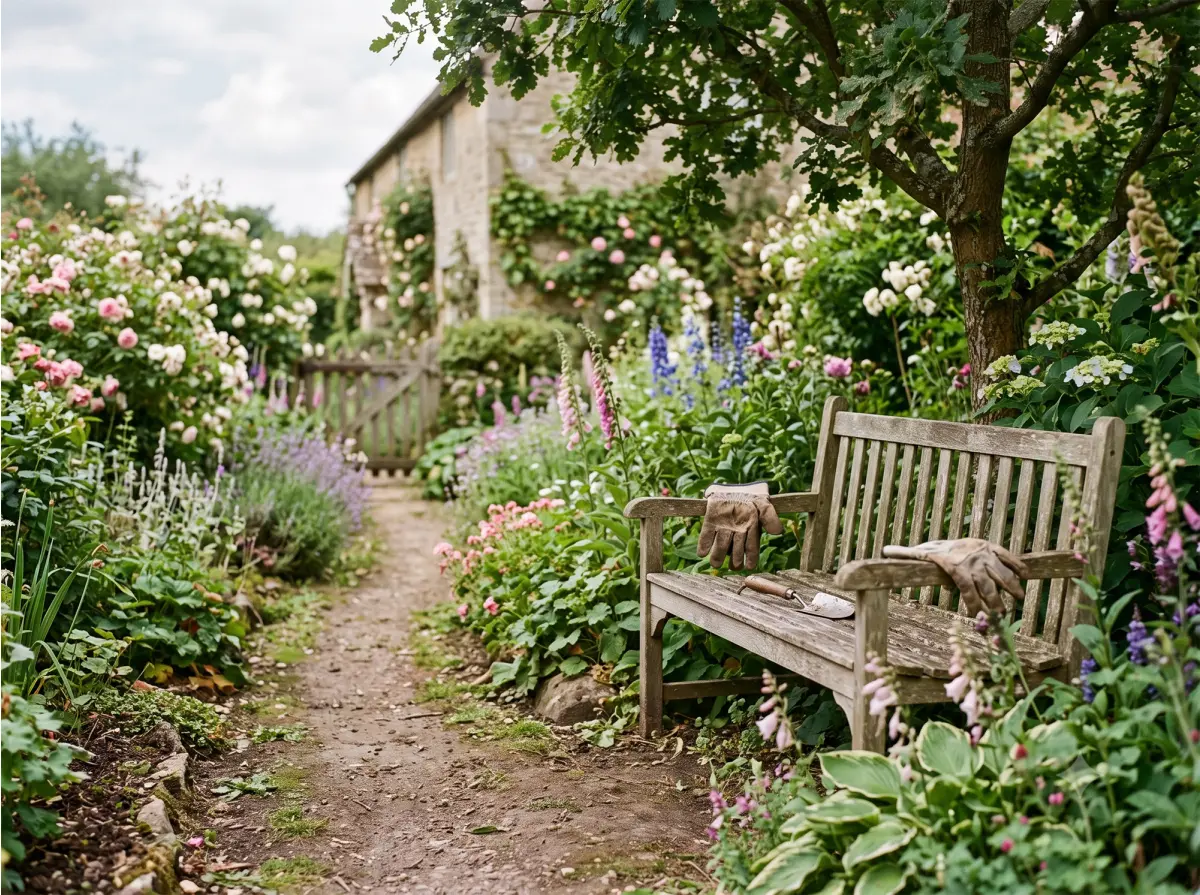
A peaceful home garden with a narrow path, flowers, and gardening gloves on a bench.

Ordinary moments, lasting ideas

Many of the book's ideas, the author shares, arrived in the garden and in the unhurried spaces of daily life.

A home writing desk by a window with a notebook, tea, and a view into a quiet garden.

The writing room beyond the desk

Still Climbing was written mostly at home, though Cross says the real thinking often happened away from the computer.

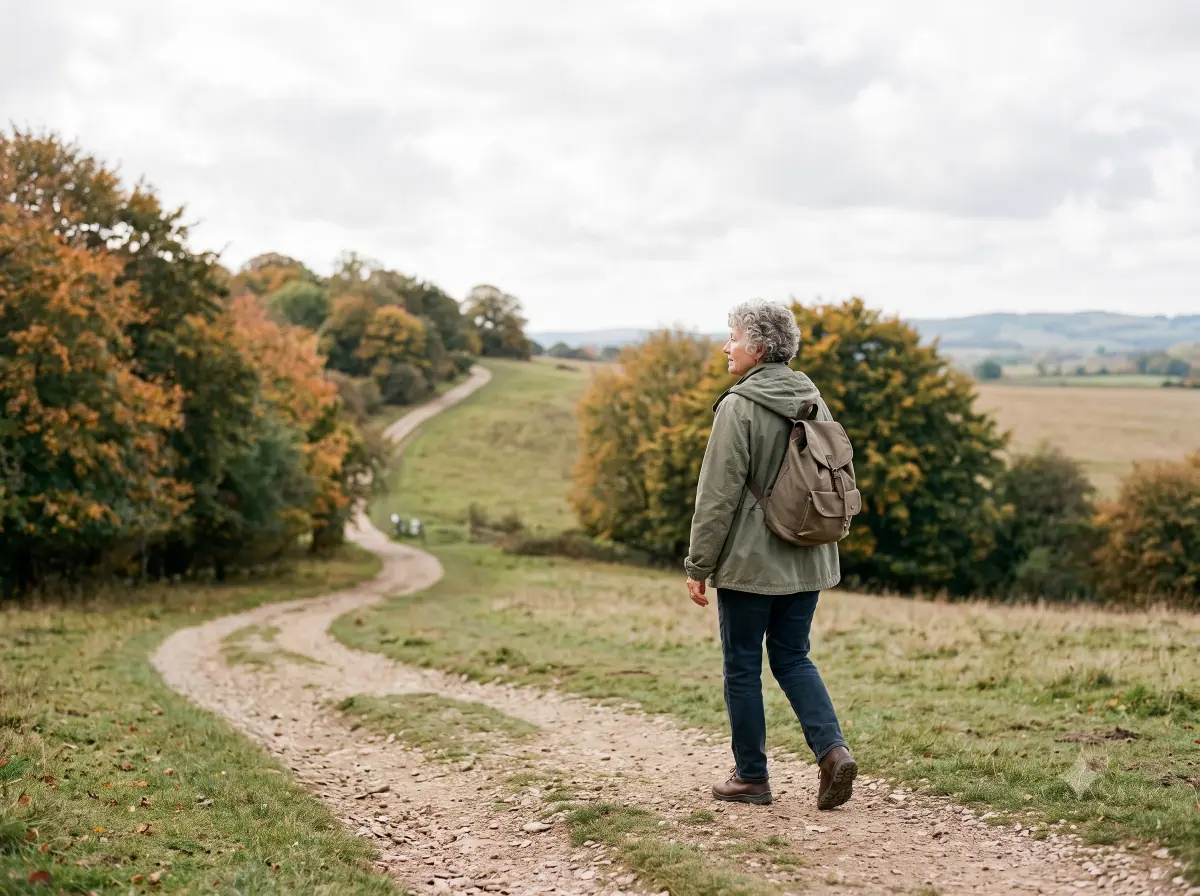
An older adult walking along a tree-lined path that slopes gently upward beneath an open sky.

Still learning, still moving

The visual world of the book is less about conquering a summit than continuing forward with curiosity.

Reader response

How readers may feel

For some readers, this may feel like a nudge rather than a lecture. Cross says she hopes people finish the book looking at their lives a little differently, and that intention shapes the whole reading experience. You may come away feeling gently reawakened to options you had stopped noticing, or newly attentive to the freedoms and wisdom that can arrive with age. The tone suggests affirmation without denial: life brings challenges, but also room for new dreams, skills, and ways of living fully.
Reader fit

Who this book is for

This book is likely to suit readers who are approaching retirement, entering a new chapter, reassessing what later life might hold, or simply asking what comes next. It may also speak to anyone who wants thoughtful nonfiction about aging that is hopeful without being flashy. If you like books that combine personal reflection with practical encouragement, and if you respond to writing grounded in everyday life rather than grand transformation stories, Still Climbing may belong in your reading life. It is especially well matched to readers who want permission to stay curious, keep learning, and define adventure in their own way.
A useful note

Who this may not be for

This may be less for readers looking for a hard-driving memoir, a research-heavy study of aging, or a sharply prescriptive self-improvement system. If you prefer fast pace, confrontation, or highly structured step-by-step frameworks, Cross's reflective and conversational approach may feel too gentle. The book seems more interested in opening thought than delivering a rigid plan.
Still Climbing book cover
Still Climbing
Cover story

Behind the cover

On the cover

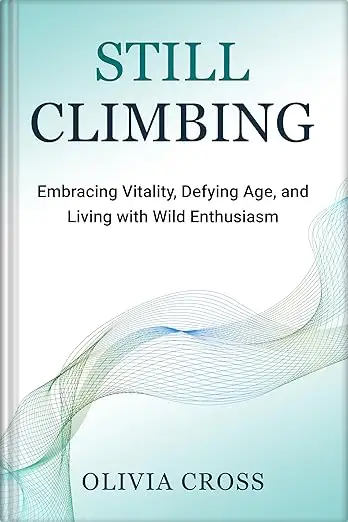
“I wanted the cover to represent a metaphorical climb rather than a literal one.”

The cover, as the author shares, was designed around metaphor rather than literal ascent. Cross wanted the image to suggest that the climb in this book is personal, ongoing, and not tied to a physical summit. That choice fits the book's central idea: aging is not the end of movement, only a change in what climbing means. Even the absence of illustrations follows the same logic. The author wanted readers to form their own mental pictures and connect the book's ideas with their own lives.
O
Author

Olivia Cross

Profile details supplied to IndieBookStories.

Writing room

From the author’s desk

Still Climbing was written over five to six months, though the author makes clear it had been forming for much longer. The work happened mostly at home, but Cross says many of the real breakthroughs came elsewhere: on long walks with her dogs, in the garden, in family conversations, and in quiet moments of reflection. That process matches the book's atmosphere. Its ideas were not gathered from grand scenes, but from ordinary life. By the author's own account, the writing became a reflective journey that changed her too.
Keep discovering

Author-led discovery from IndieBookStories

Discover books through the stories behind them

Join the IndieBookStories reader list for thoughtful, author-led features on independent books like Still Climbing, where the context comes from what authors share with us about origin, mood, process, and purpose.

Join the reader list